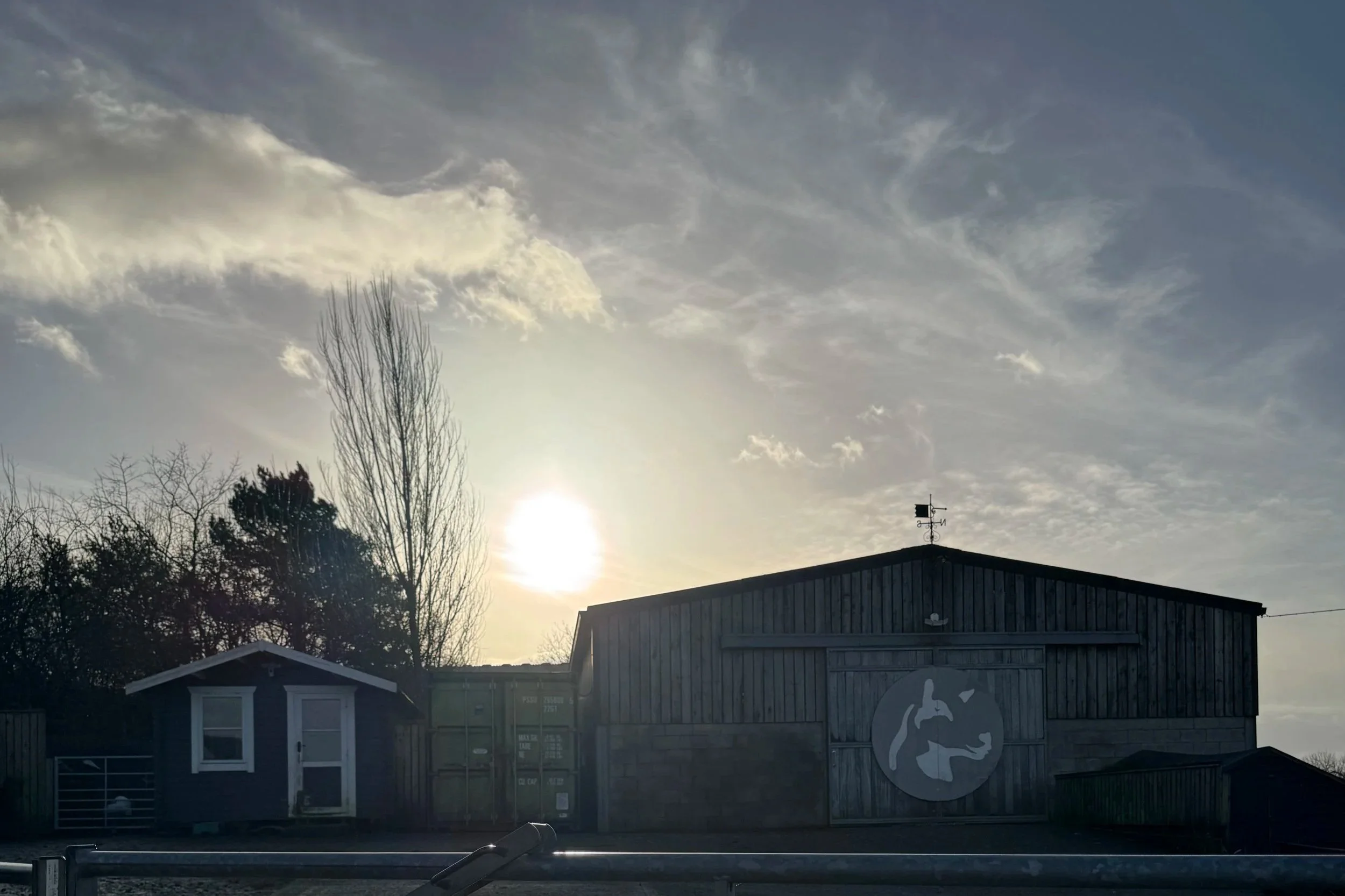

Blue Monday is often described as the “most depressing day of the year”. While the science behind it is debated, the feelings many people experience in January are very real — shorter days, cold weather, financial pressure after Christmas and a general sense of fatigue can all take a toll on our mental health.
At Surge Sanctuary, January is a reminder of just how powerful connection — to animals, nature and community — can be.
Why January can feel so heavy
Winter naturally slows us down. There’s less daylight, fewer opportunities to socialise, and many people feel pressure to “start fresh” before they feel ready. For some, this can show up as low mood, anxiety, loneliness or burnout.
Rather than trying to push these feelings away, it can help to lean into gentle, grounding activities that support both mental and physical wellbeing.
The mental health benefits of being around animals
Spending time with animals has been shown to reduce stress, lower cortisol levels and encourage mindfulness. Animals live entirely in the present — they aren’t worried about productivity or plans — and being around them can help us slow down too.
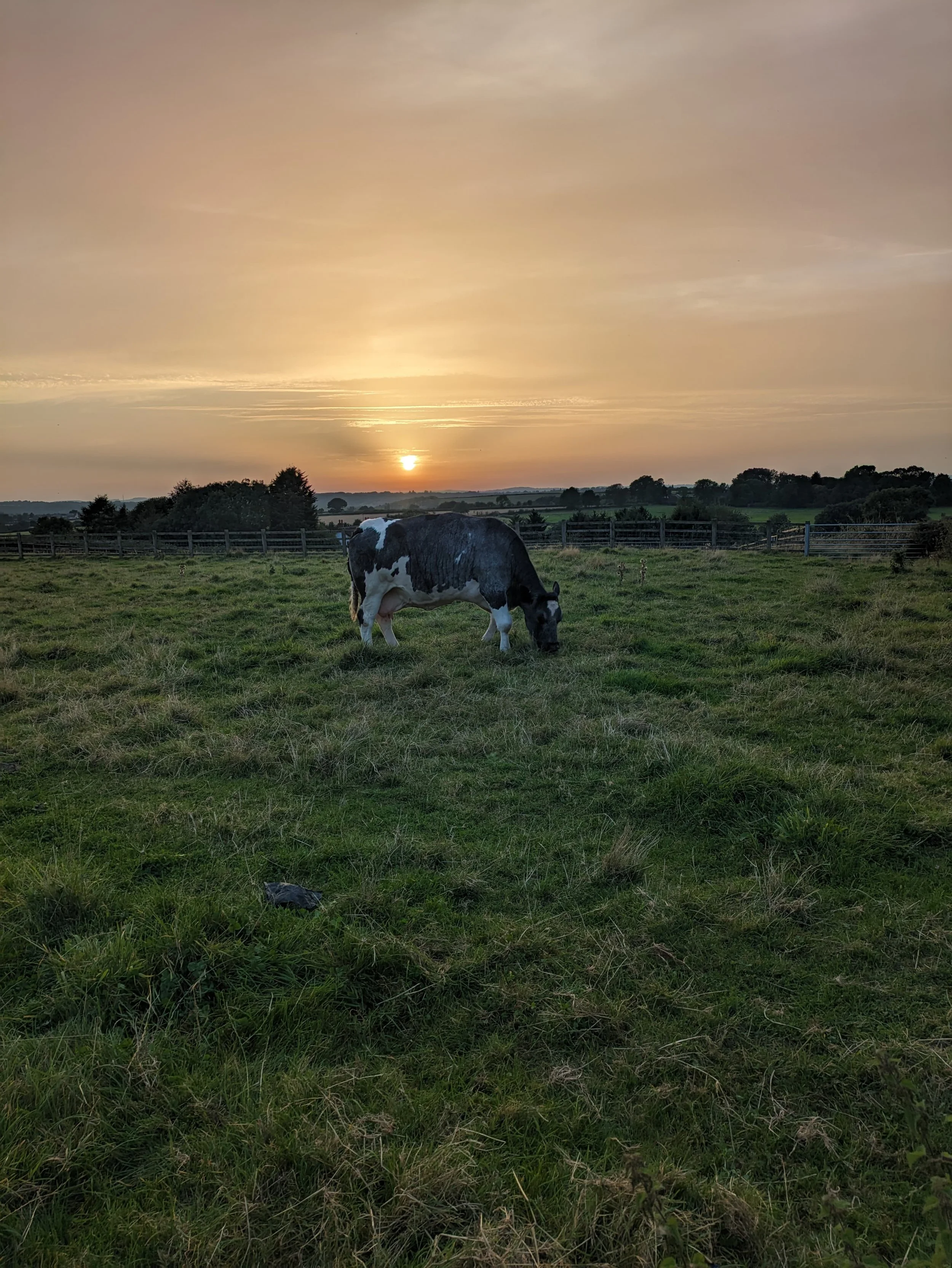
At sanctuaries like ours, volunteers often tell us how calming it feels simply to sit quietly with a cow, watch pigs rooting in the mud, or listen to the sounds of birds going about their day. These moments encourage stillness, connection and emotional regulation in a way that feels natural rather than forced.
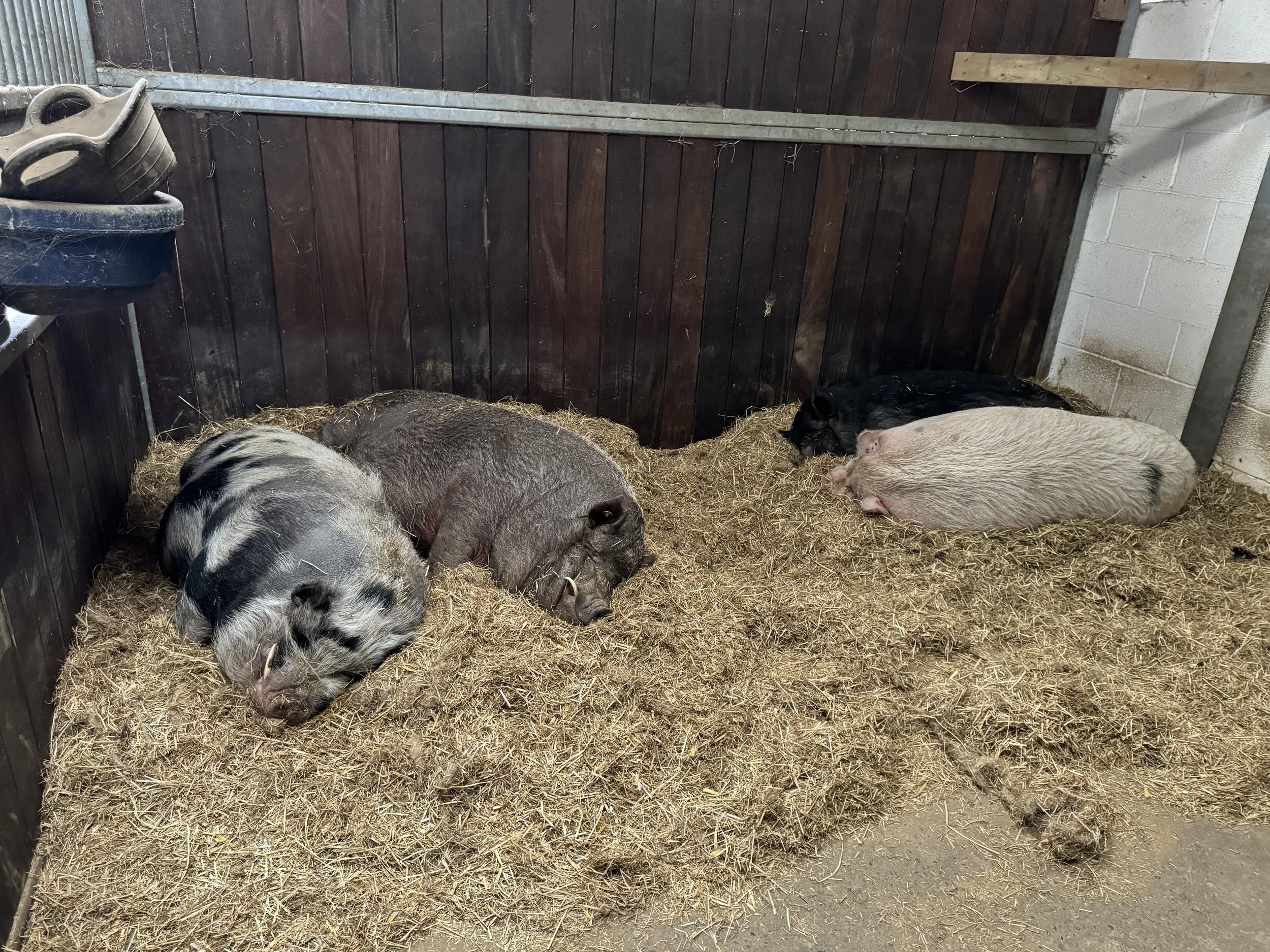
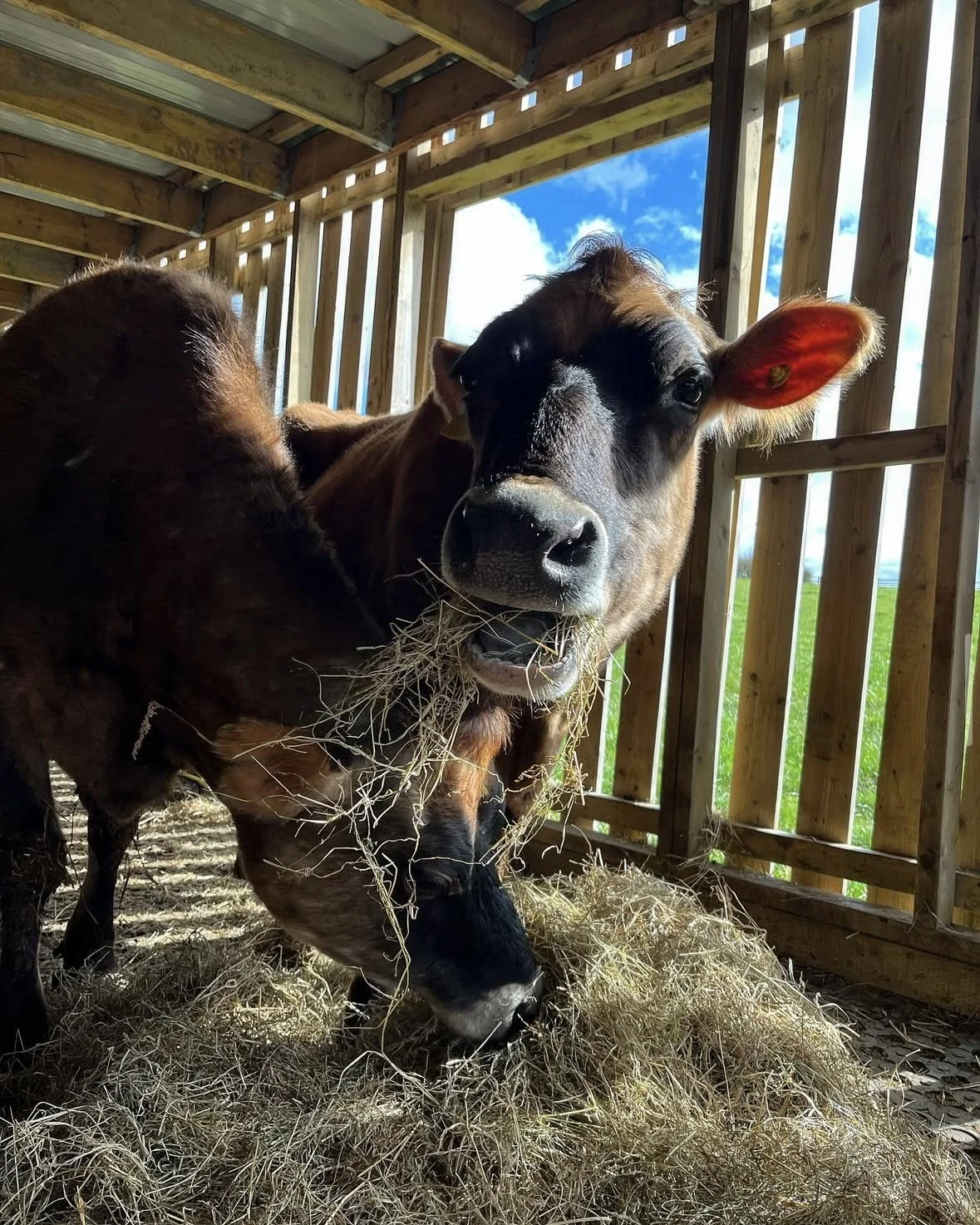
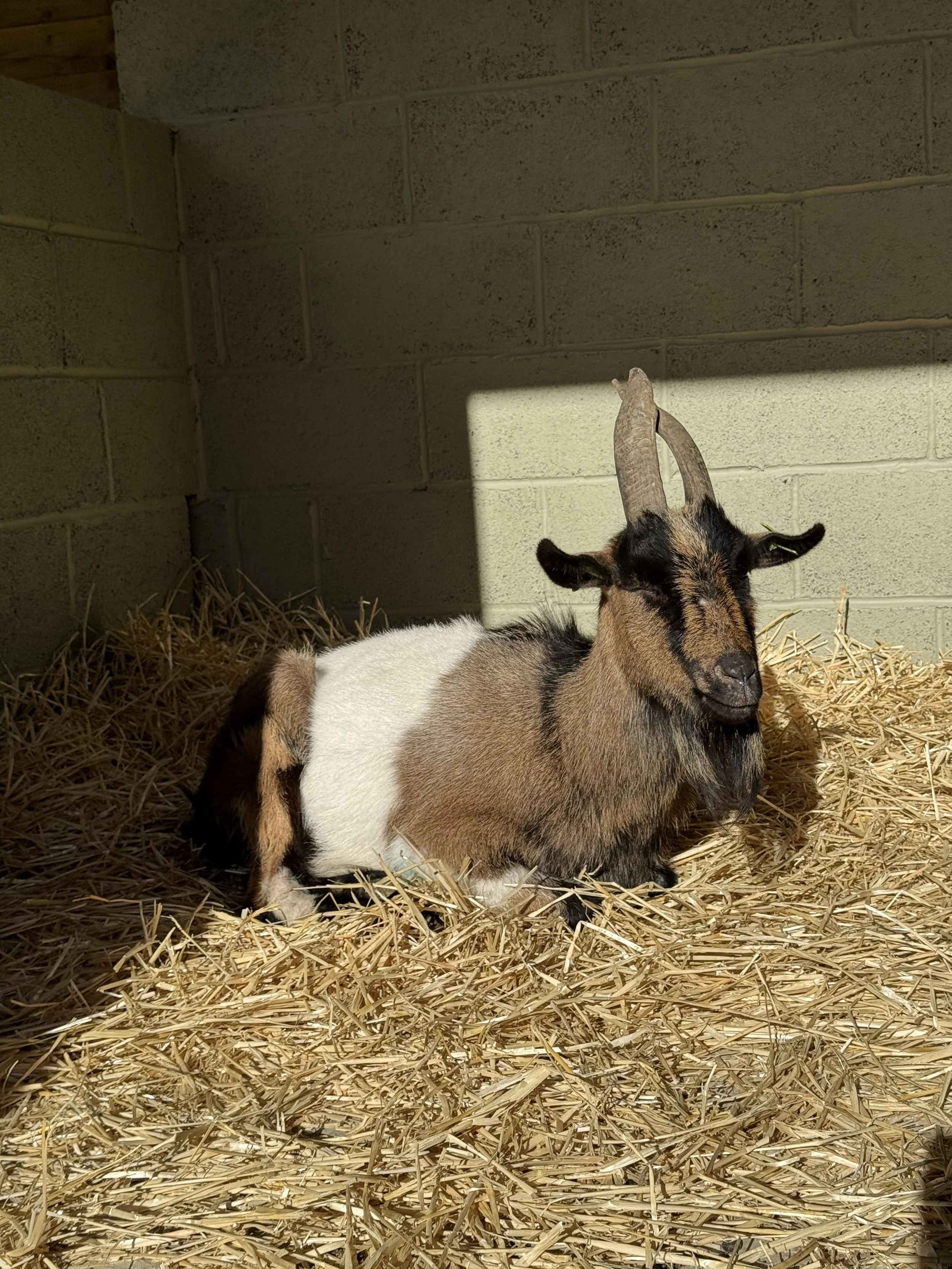
That might look like sitting beside Frankie the turkey while she chats away in her own gentle way, giving Nigel the pig a well-earned belly rub while listening to Maisy snore contentedly nearby, watching Manuka the goat carefully choose the warmest patch of winter sun on a crisp morning, or seeing Mo and Ella the cows settling down with their breakfast of hay. These small, quiet moments are often the ones people remember most — unhurried, grounding, and deeply calming.
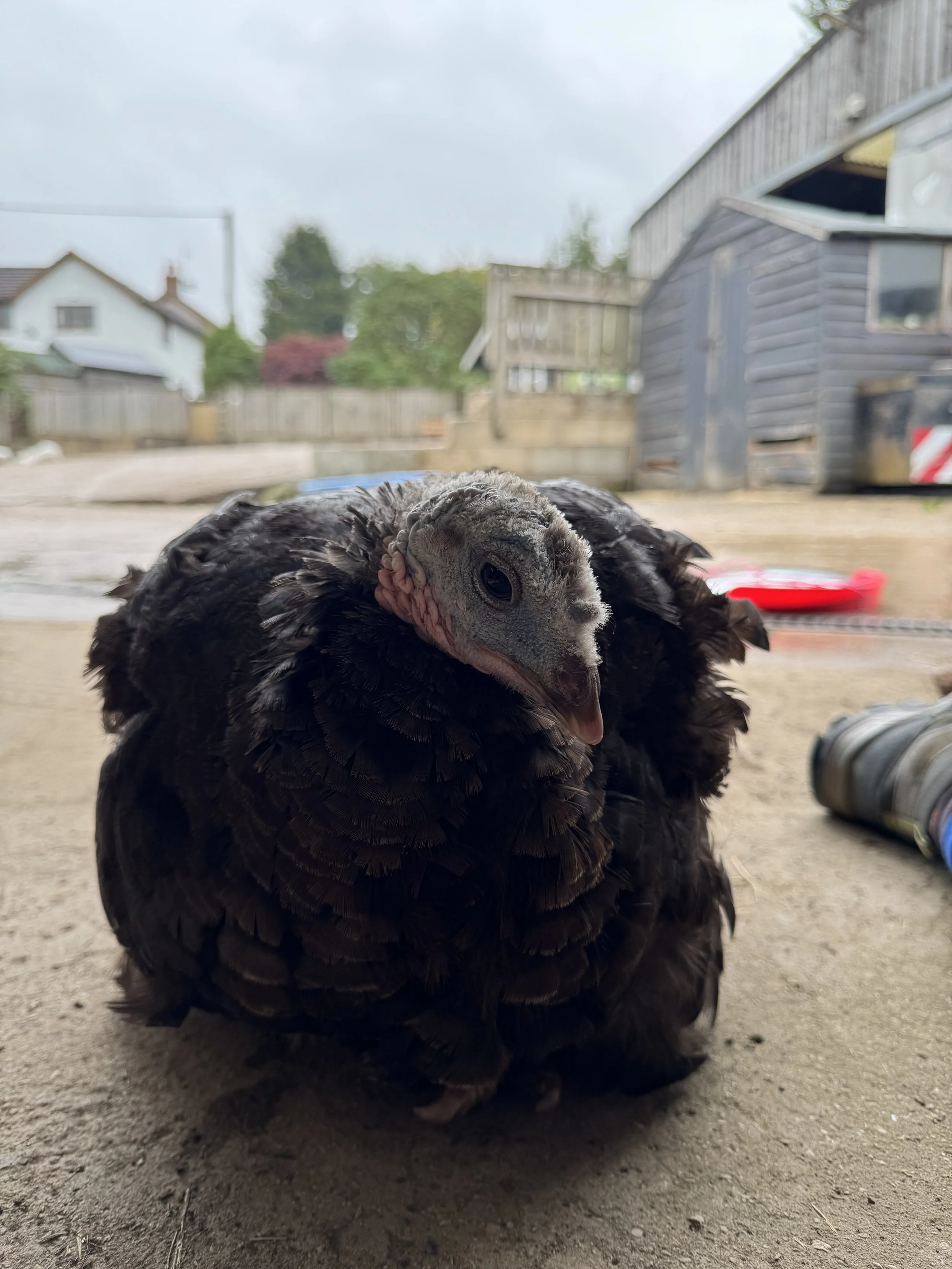
Animals also offer companionship without judgement. For many people, especially those feeling isolated, this can be incredibly comforting.
Nature, movement and routine
Time outdoors — even in colder months — plays a huge role in supporting mental health. Fresh air, gentle movement and natural light can improve mood, energy levels and sleep.
Volunteering or visiting a sanctuary adds a sense of purpose and routine, which is particularly valuable during winter. Knowing that your presence helps animals who rely entirely on human care can be deeply grounding and rewarding.
Why sanctuaries matter
Animal sanctuaries don’t just exist for the animals — they’re community spaces too. They offer opportunities to learn, connect and contribute to something meaningful.
By supporting sanctuaries, whether through visiting, volunteering, donating or simply sharing their work, you’re helping create safe spaces for both animals and people to heal.
How you can get involved
If Blue Monday — or winter in general — feels difficult, consider connecting with your local sanctuary:
Visit a sanctuary open day or guided tour
Volunteer your time, if you’re able
Support sanctuaries through donations or ethical shopping
Follow and share sanctuary stories online to help spread awareness
Even small acts of support make a real difference.
A gentle reminder
If you’re struggling, you’re not alone — and it’s okay to take things slowly. If things feel overwhelming, reaching out to someone you trust or a mental health professional can make a real difference. You don’t have to carry everything on your own.
Sometimes the best thing we can do is step outside, breathe deeply, and reconnect with the living world around us.
At Surge Sanctuary, we see every day how compassion, care and connection can change lives — human and animal alike.