
Every spring, schools across the country prepare chick‑hatching projects as part of lessons on life cycles. They’re often described as fun, hands‑on and educational. But at Surge Sanctuary, we see the consequences once the projects end, and the reality is far less gentle than it appears.
Short‑term project, long‑term impact
Hatching projects last only a couple of weeks, but the chicks produced will live for many years. Most classrooms cannot meet the needs of growing birds, and once the novelty fades, schools are left with animals they cannot keep. This is when sanctuaries and rescues are contacted, often urgently, to take in unwanted chicks.
Many chicks are also sent back to the farms or suppliers they originally came from. Although this is often presented as a reassuring option, the reality is very different. These farms are commercial operations, not rescue facilities. Female chicks are typically absorbed into the laying system, while male chicks are usually killed because they have no commercial value. In some cases, all returned chicks are sent into the meat industry.
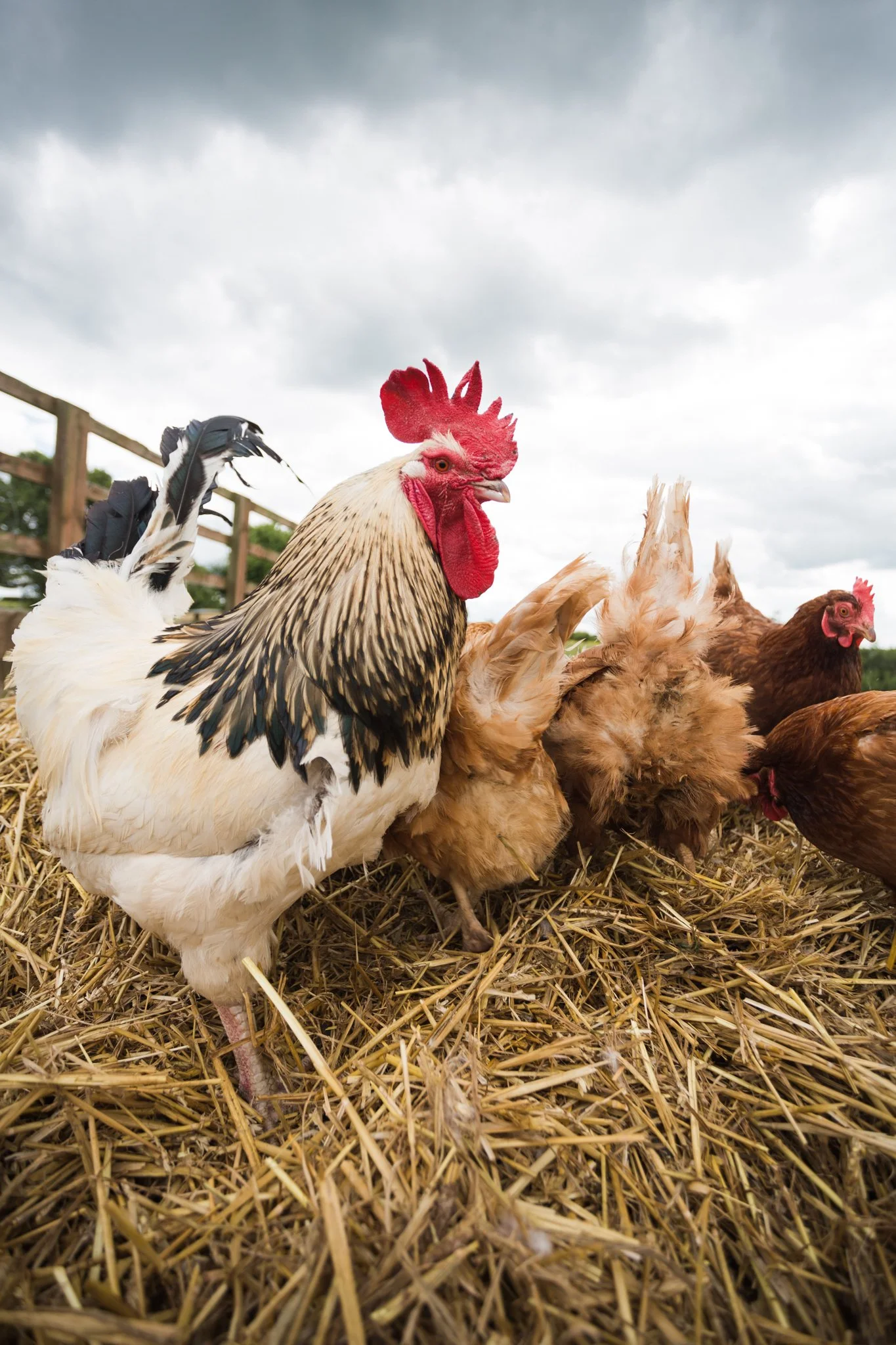
Cockerels are the birds we are asked to take in most often. They are harder to rehome due to noise restrictions, flock dynamics and local regulations. Sanctuaries across the UK are overwhelmed with requests to take in unwanted male chicks every spring, and the number far exceeds what any sanctuary can realistically manage.
Although some people believe hatching projects are acceptable as long as they can “find homes” for the chicks, the reality is that there are far more birds produced than there will ever be suitable homes. No matter how well‑intentioned the project, most of these chicks will not find lifelong, appropriate placements.
Sunshine’s story
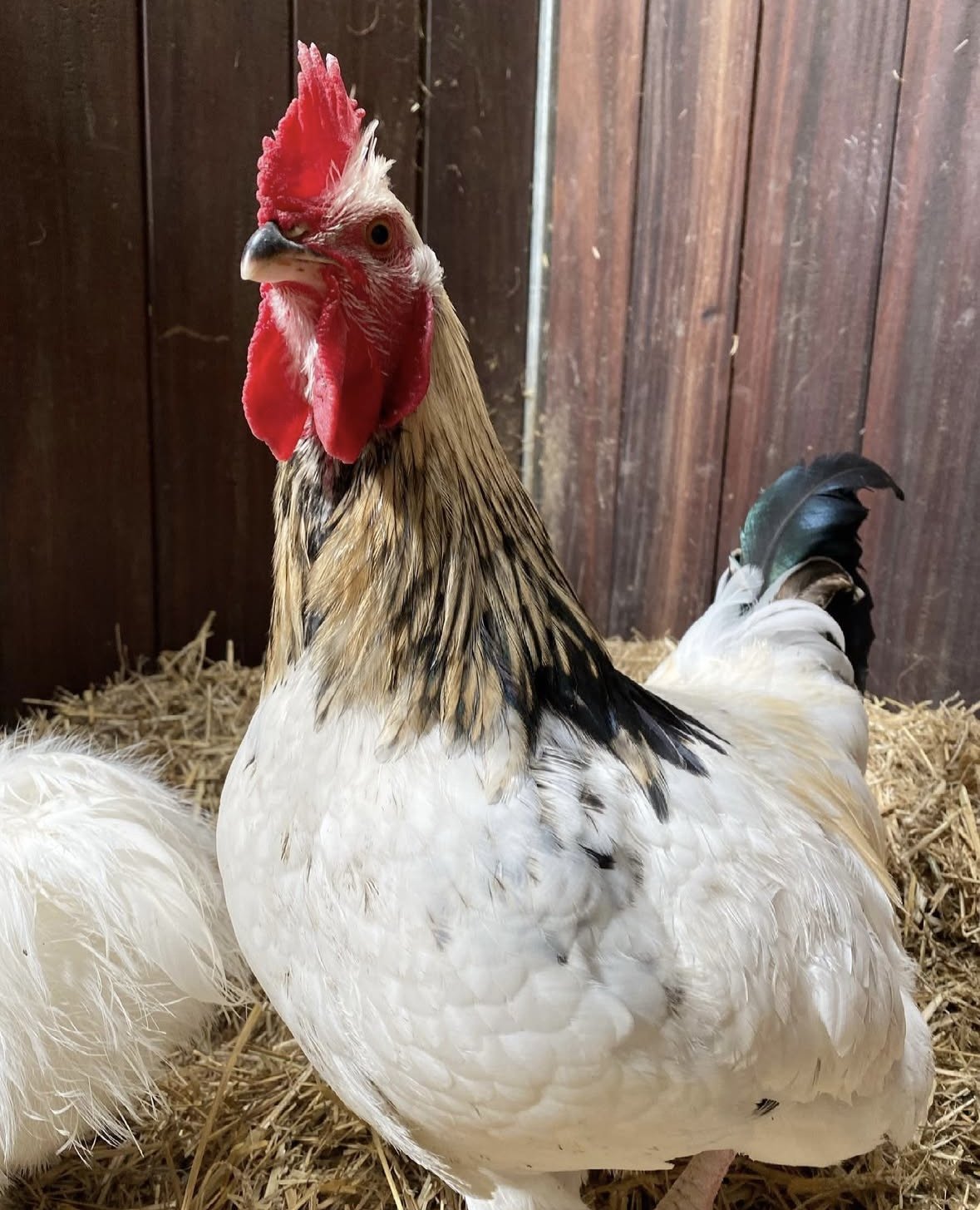
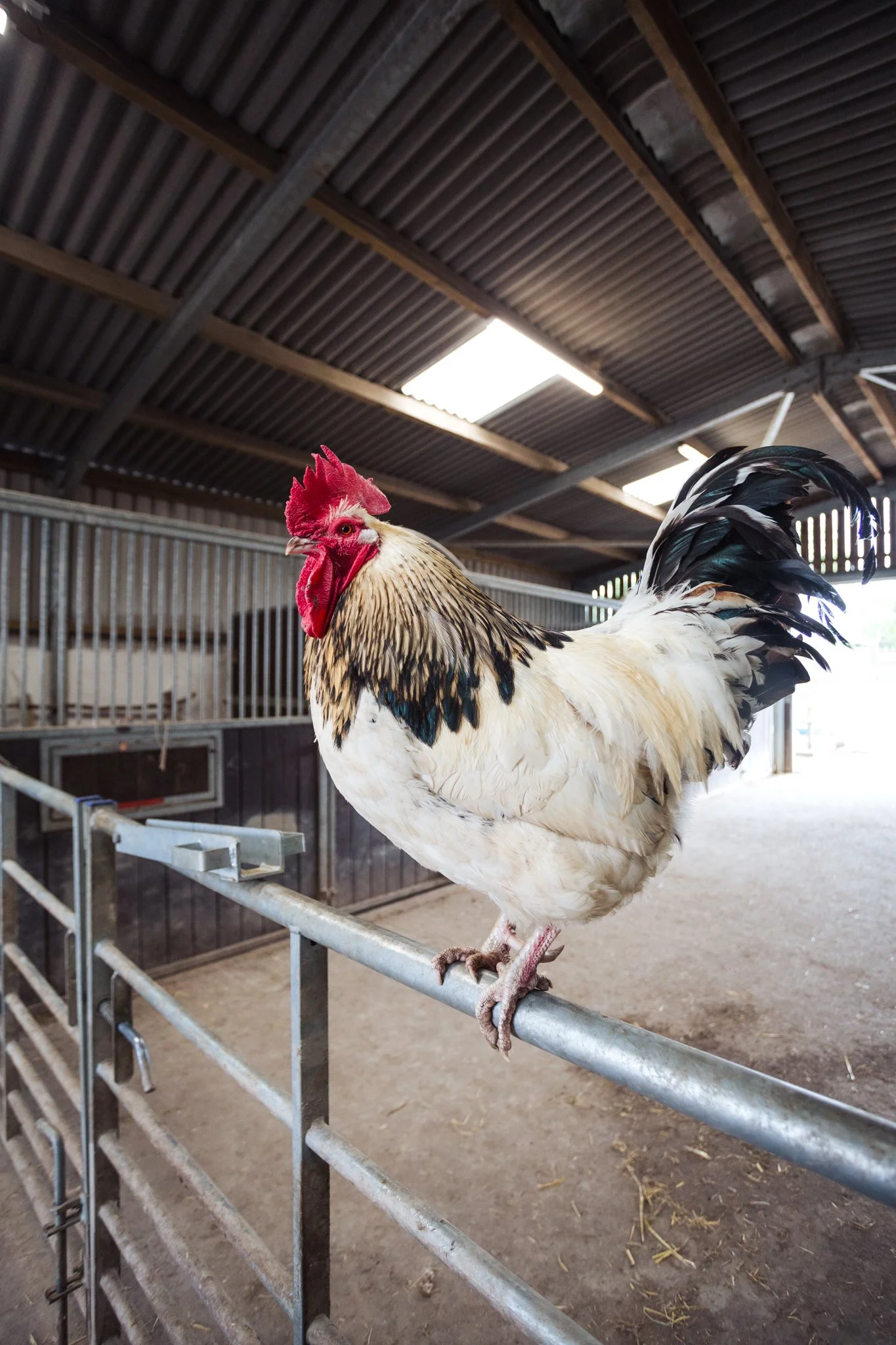
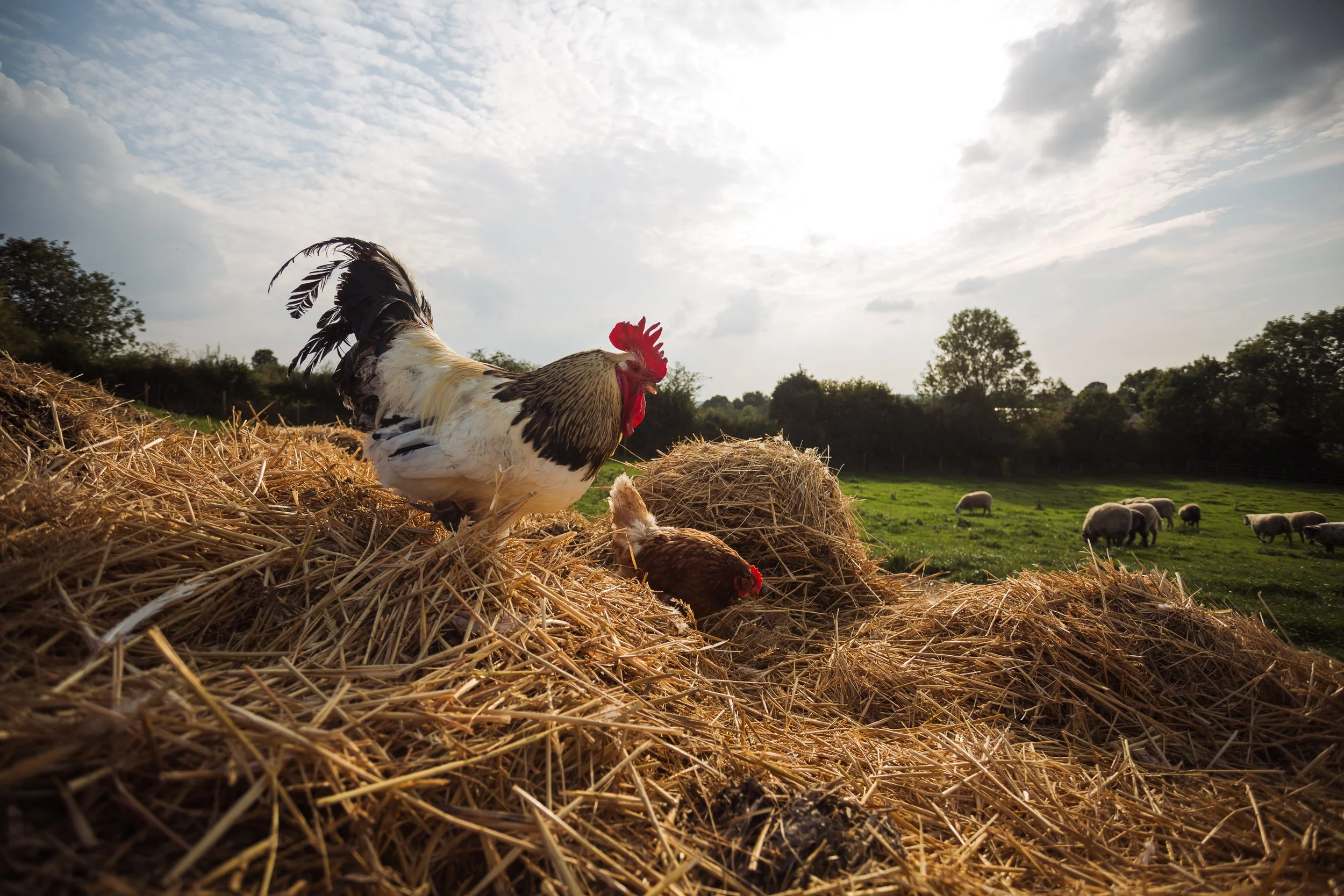
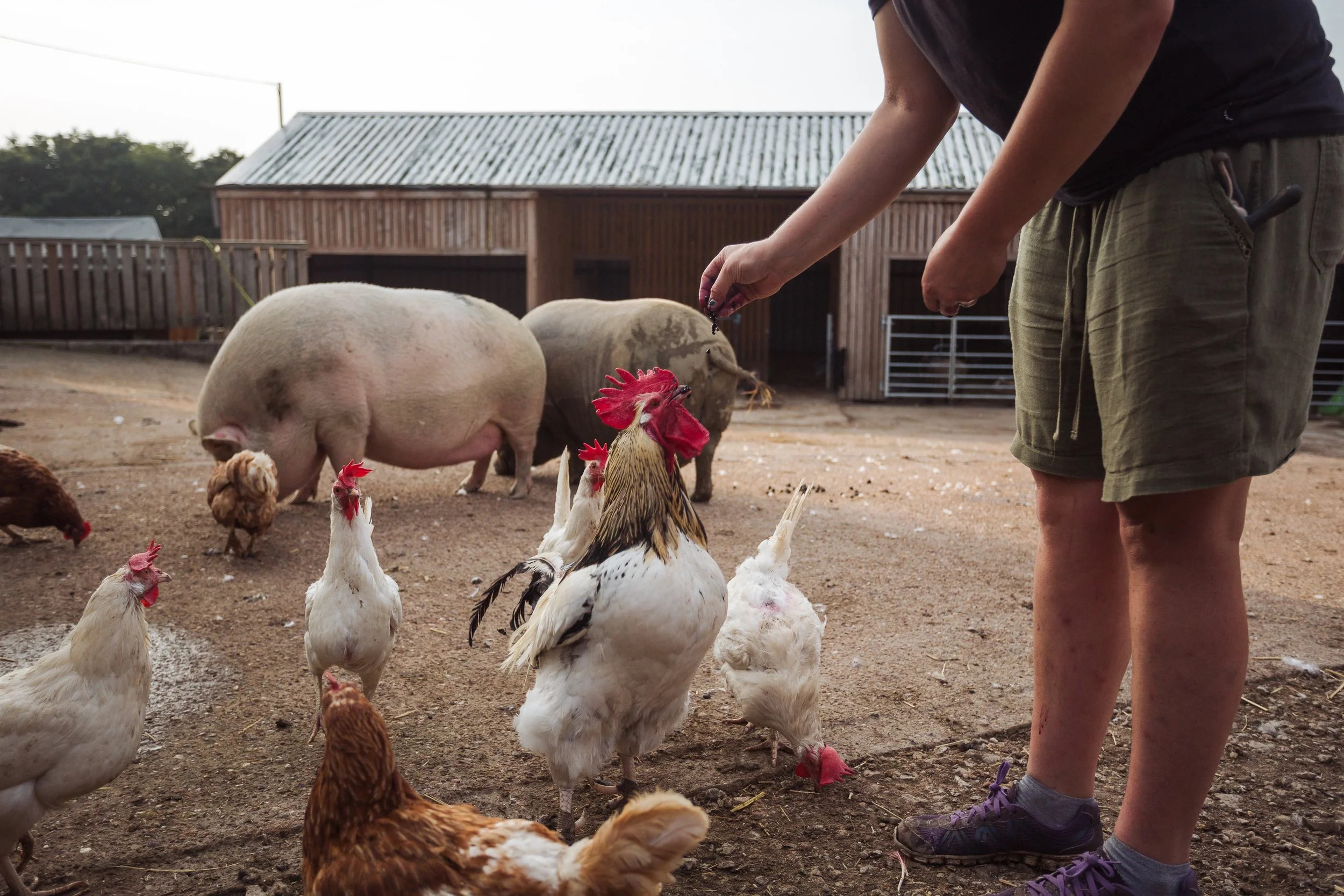
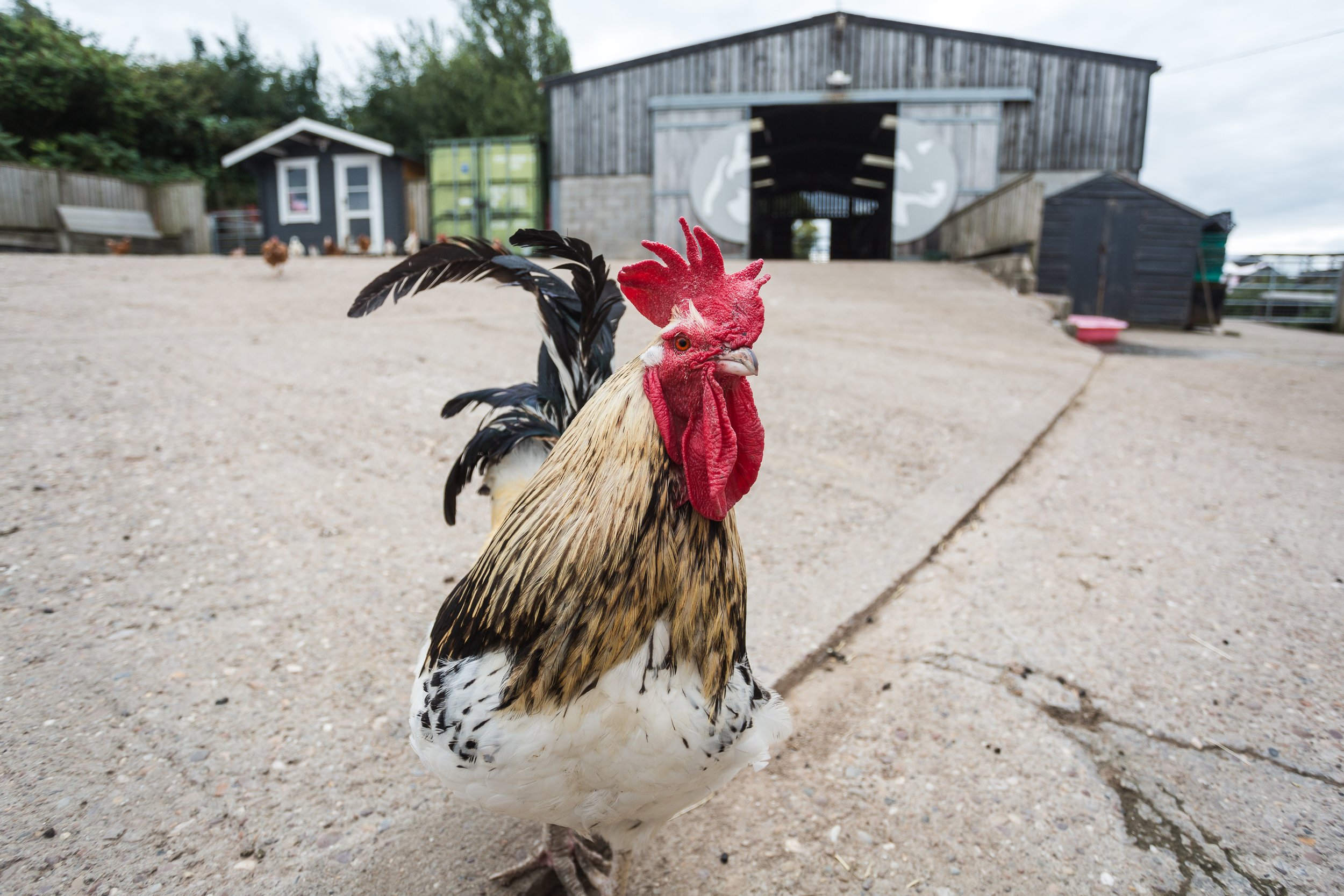
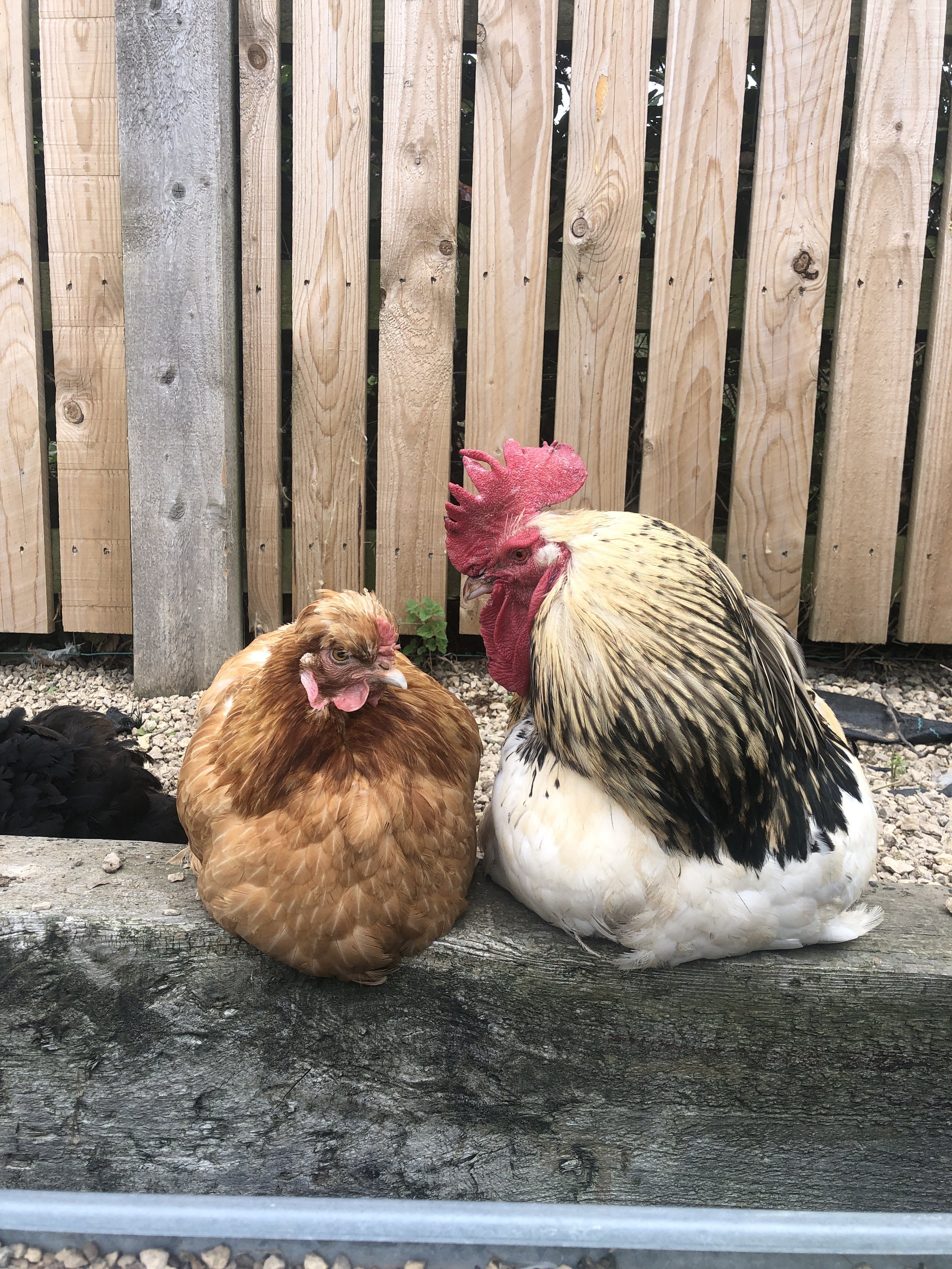
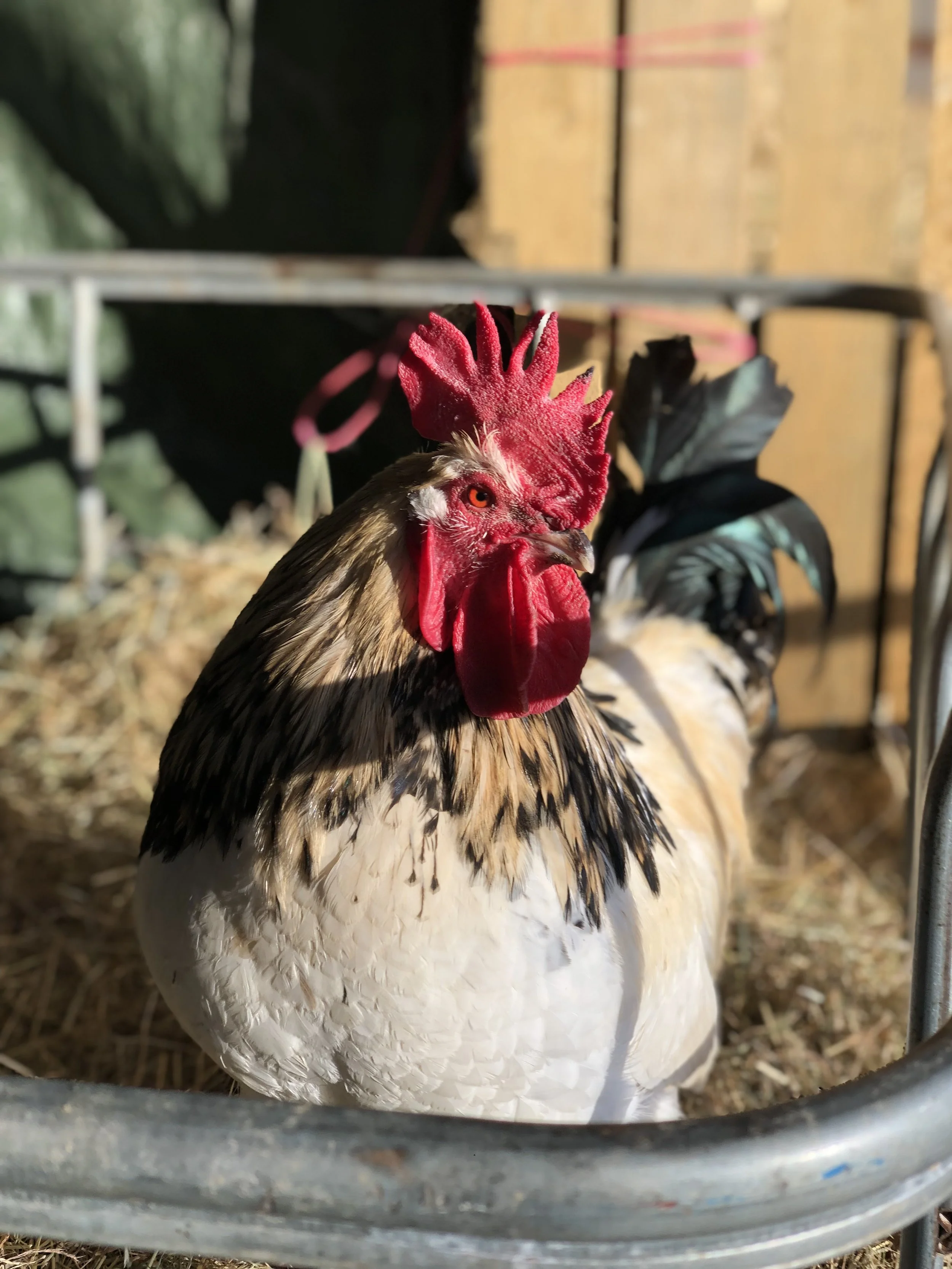
Sunshine, one of our resident cockerels, came from a classroom hatching project. Once the project ended, he was due to be taken back to the farm that supplied the eggs. As a male chick, he would have been killed on arrival. Instead, he was brought to us, and he now lives safely at the sanctuary, spending his days dust‑bathing, exploring and calling to his flock. Sunshine is a reminder that every chick in these projects is an individual with a life worth protecting.
Incubators can’t replace a mother hen
In hatching projects, eggs are placed in incubators rather than being cared for by a hen. This means chicks miss out on the warmth, communication and protection they would naturally receive before and after hatching. Even small fluctuations in temperature or humidity can cause deformities, weakness or failed hatches. Many chicks struggle in their first days simply because the conditions weren’t right.
A supply chain that’s hidden from view
Most fertilised eggs used in school projects come from commercial hatcheries. The parent birds are kept in intensive conditions, and their welfare is rarely considered. By taking part in hatching schemes, schools unintentionally support an industry that treats animals as products rather than sentient beings.
What children really learn
Although these projects are intended to be educational, they can unintentionally teach harmful lessons such as:
animals can be used for short‑term activities
living beings are replaceable when they become inconvenient
some species deserve less compassion than others
Children may enjoy watching chicks hatch, but they don’t see the long‑term responsibility or the fate of the birds once the project ends.
The aftermath for sanctuaries
When the project is over, schools often find themselves unable to keep the birds. Some are returned to suppliers with unknown outcomes, while others are advertised online or abandoned. Sanctuaries like ours receive far more requests to take in unwanted chicks than we can ever accommodate, especially cockerels.
It is far kinder and more effective to stop hatching projects altogether rather than trying to rehome the birds afterwards. Rehoming may feel like a compassionate solution, but it ultimately enables the cycle to continue and leaves more chicks at risk every year.
Kinder ways to teach about life cycles
There are many compassionate alternatives that still allow children to learn and stay engaged, including:
virtual nestbox hatch cams
interactive videos and models
visits to sanctuaries or wildlife centres
lessons focused on animal behaviour and welfare
observing the life cycle of plants
These options teach the same curriculum topics without creating animals who may later be unwanted.
Further reading and resources
For schools, teachers and parents who want to explore this topic further or advocate for change:
Animal Aid – Hatching Projects Campaign
Guidance, downloadable leaflets and template letters for schools.PETA – Chick‑Hatching Project Information
Clear explanations of welfare issues and alternatives.AnimalKind – Alternatives to Hatching Projects
Compassionate teaching resources and activity ideas.
We know that teachers choose these projects with good intentions. Our aim is not to criticise, but to share what we see every year when the chicks need somewhere to go. By choosing humane alternatives, schools can teach children about nature while also modelling empathy, responsibility and respect for all animals.