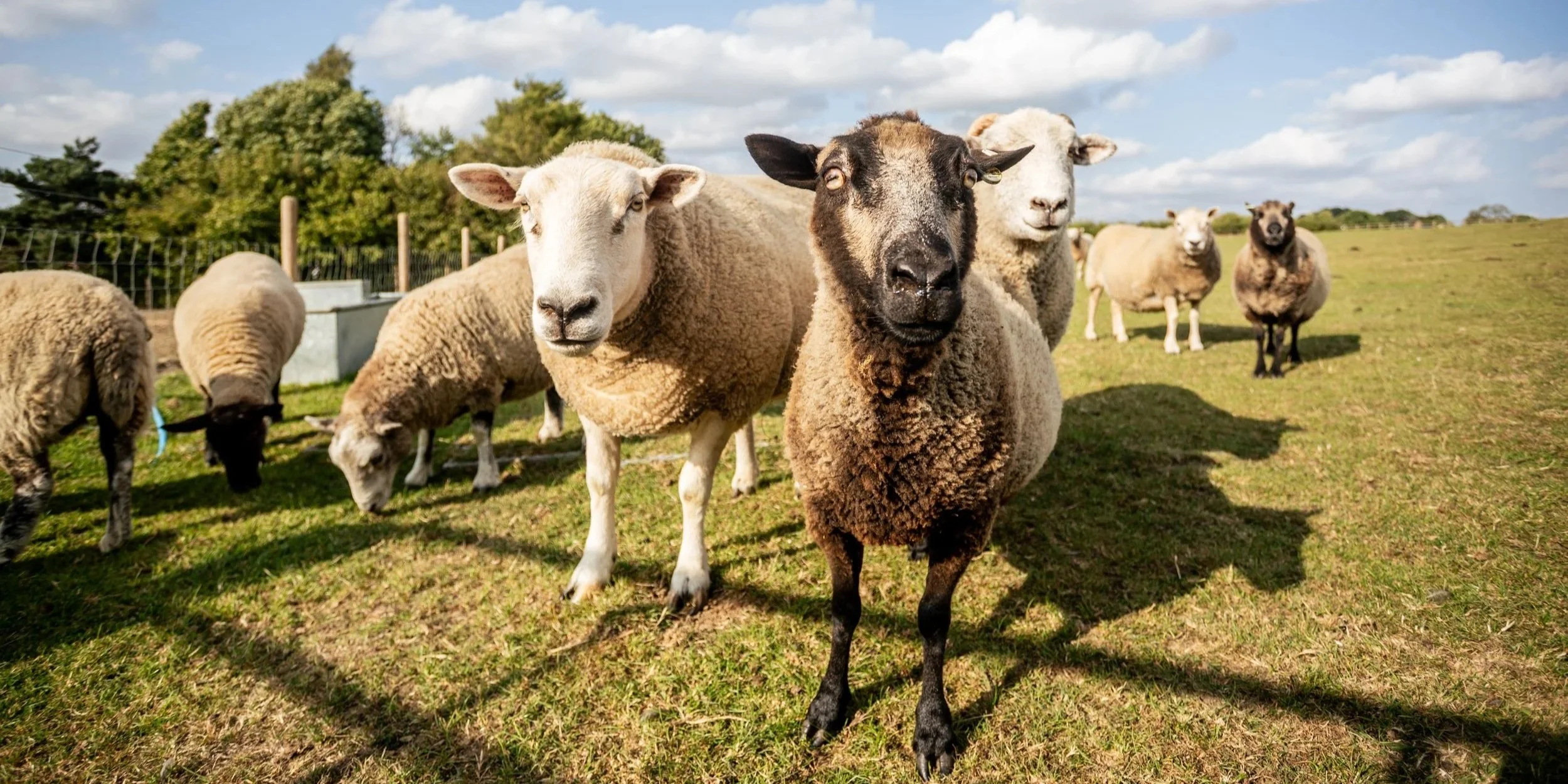
Every spring, as the weather warms, we receive the same question: what do vegan sanctuaries do with the wool? It’s a fair question, and one that opens up a wider conversation about why sanctuaries shear, why wool isn’t a harmless by‑product, and how we handle the fleece in a way that aligns with our ethics.
Why sanctuary sheep need to be sheared
Modern farmed sheep are very different from their wild ancestors. Through selective breeding, many breeds now produce far more wool than they can naturally shed. Without shearing, they can suffer from overheating, flystrike, mobility issues, skin infections and general discomfort.
So even though we don’t use animals for products, shearing is still essential for their welfare. At sanctuaries, shearing is done slowly, gently and with the sheep’s comfort as the priority, which stands in stark contrast to the commercial wool industry.
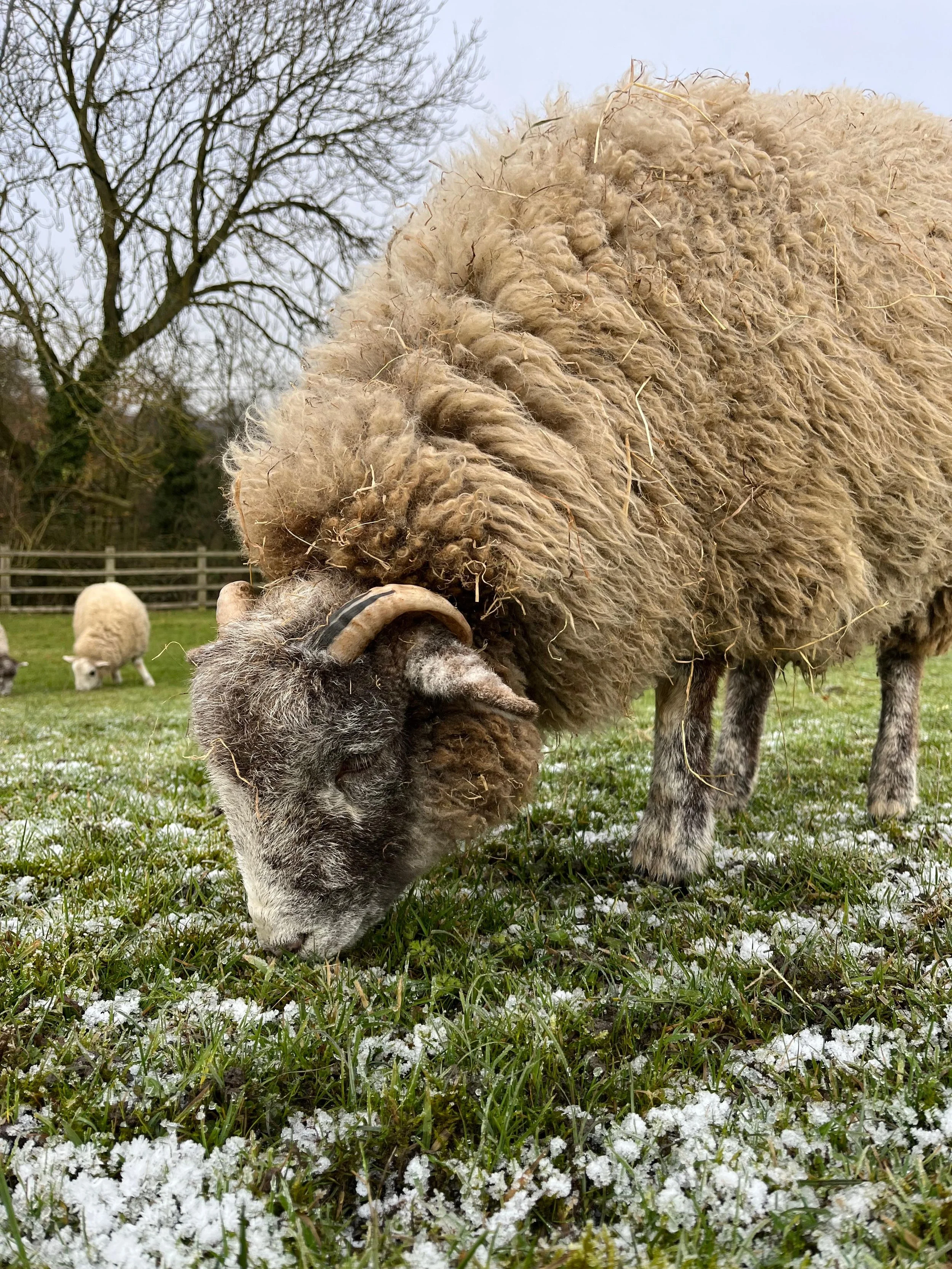
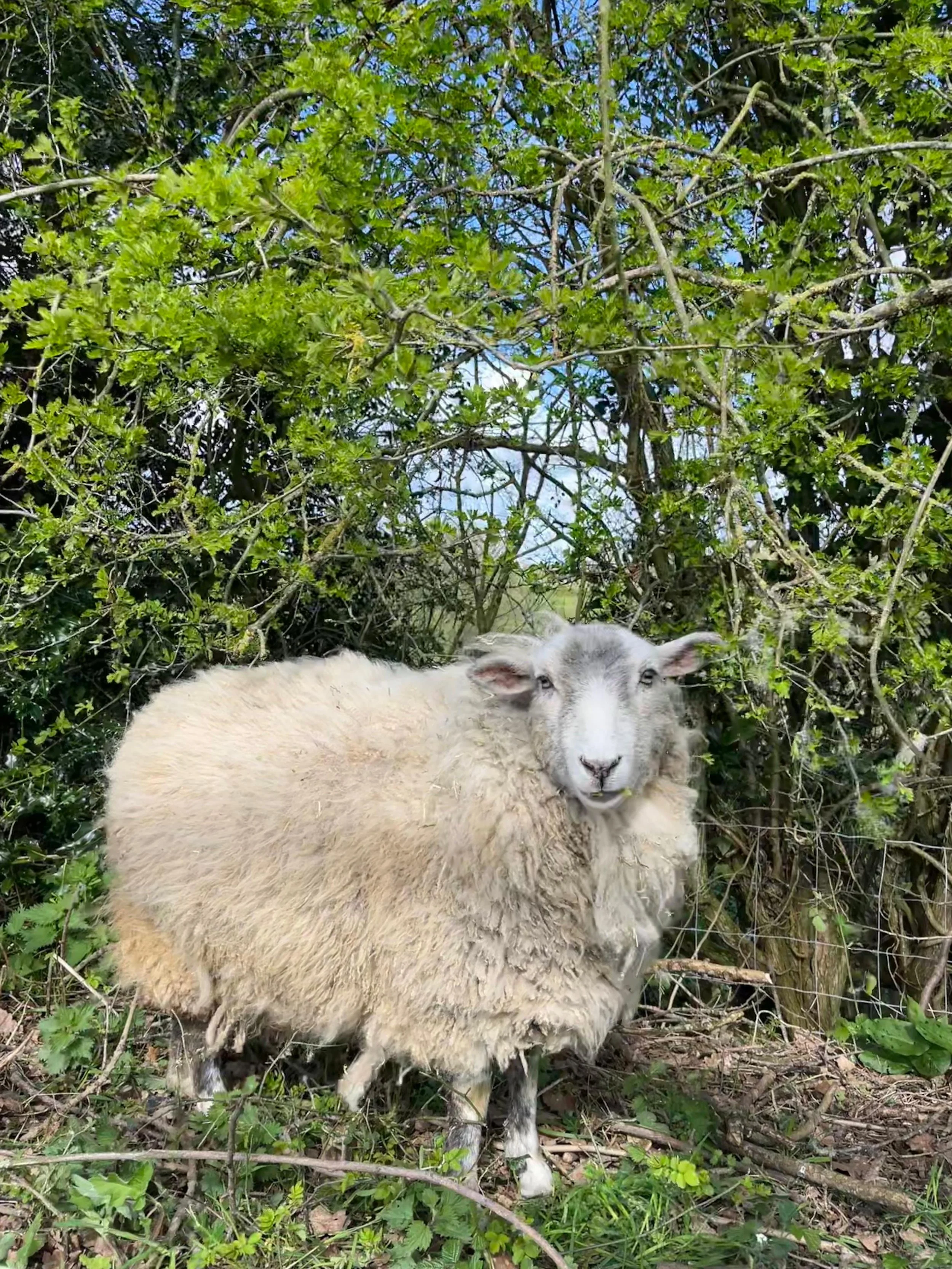
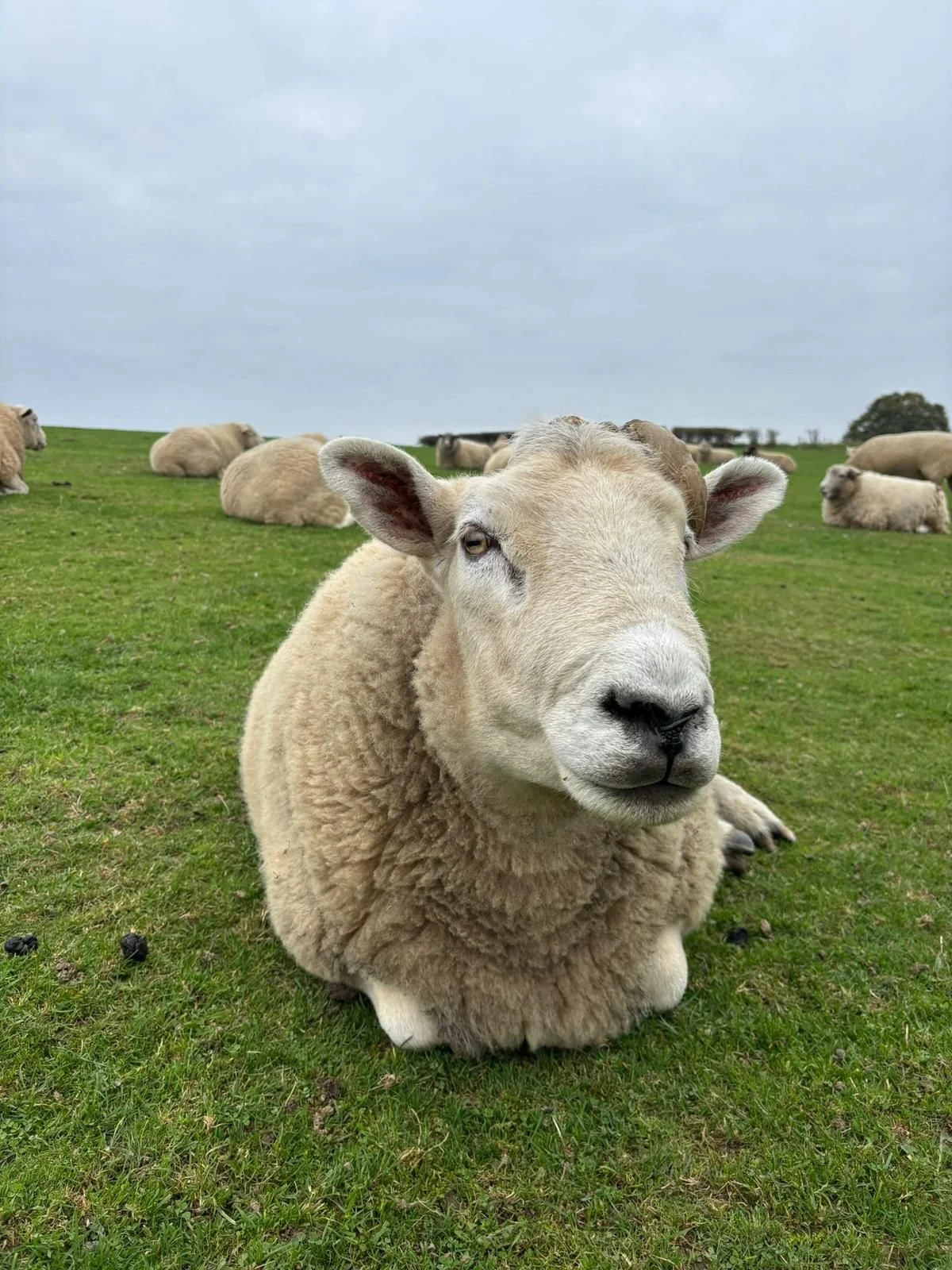
Why is wool not vegan?
It’s easy to assume wool is harmless: sheep grow it, humans remove it, and no one dies. But the reality is far more complex. The modern wool industry operates on the same principles as any other animal‑use industry: profit, speed and volume. Sheep are not kept for wool alone. In most commercial systems, wool is simply an additional income stream on top of the primary purpose of raising sheep for meat. The fleece becomes a by‑product of an industry that ultimately ends in slaughter.
Because of this, the welfare of the sheep is rarely the priority. Commercial shearers are often paid by output rather than by the hour, which encourages speed over care. Investigations across multiple countries have documented sheep being handled roughly, cut or injured during shearing, and stitched without pain relief. Even without the most extreme abuses, the underlying issue remains the same: sheep are treated as commodities, valued only for what they produce and what they can be sold for at the end of their lives.
Sanctuaries exist to break that cycle. We shear only because the sheep need it for their health, not because we want something from them. And we do not sell or use the wool, because doing so would reinforce the idea that animals exist to provide products for humans.
What sanctuaries do with the wool
Different sanctuaries handle wool in different ways, but the guiding principle is always the same: the wool belongs to the sheep, not to humans. Once it has served its purpose of keeping them warm through winter, it is simply returned to the natural world or used in ways that support the sanctuary environment. Some sanctuaries compost the wool, adding it to muck piles where it breaks down naturally and enriches the soil. Others leave fleece where wild birds can access it for nesting, or use it in gardens and shelter insulation.
At Surge Sanctuary, we follow this same approach. The wool is placed on the muck pile, where it naturally decomposes over time. Wild birds have access to it and will take what they need for their nests, and the rest breaks down into the soil. We do not consider this a waste; the wool has already fulfilled its purpose for the sheep, and returning it to the land allows it to continue contributing to the wider ecosystem. We do not sell wool, use it for crafts or turn it into products.
Shearing day at the sanctuary
Shearing day at a sanctuary looks very different from shearing on a commercial farm. In the wool industry, speed is prioritised above all else. A commercial shearer may be expected to get through a sheep in well under a minute, with some managing hundreds in a single day. The faster they work, the more they are paid, and this pressure often leads to rough handling, stress for the animals and a higher risk of cuts, nicks and torn skin.
At a sanctuary, the approach is entirely different. Our shearer specialises in pet sheep and works slowly and calmly, taking as much time as each individual sheep needs. Older residents, those with mobility issues or those with wrinklier skin are handled with particular care to reduce the risk of injury. Frequent cleaning or changing of blades helps prevent snagging or pulling, and the sheep are supported throughout so they feel as safe and comfortable as possible.
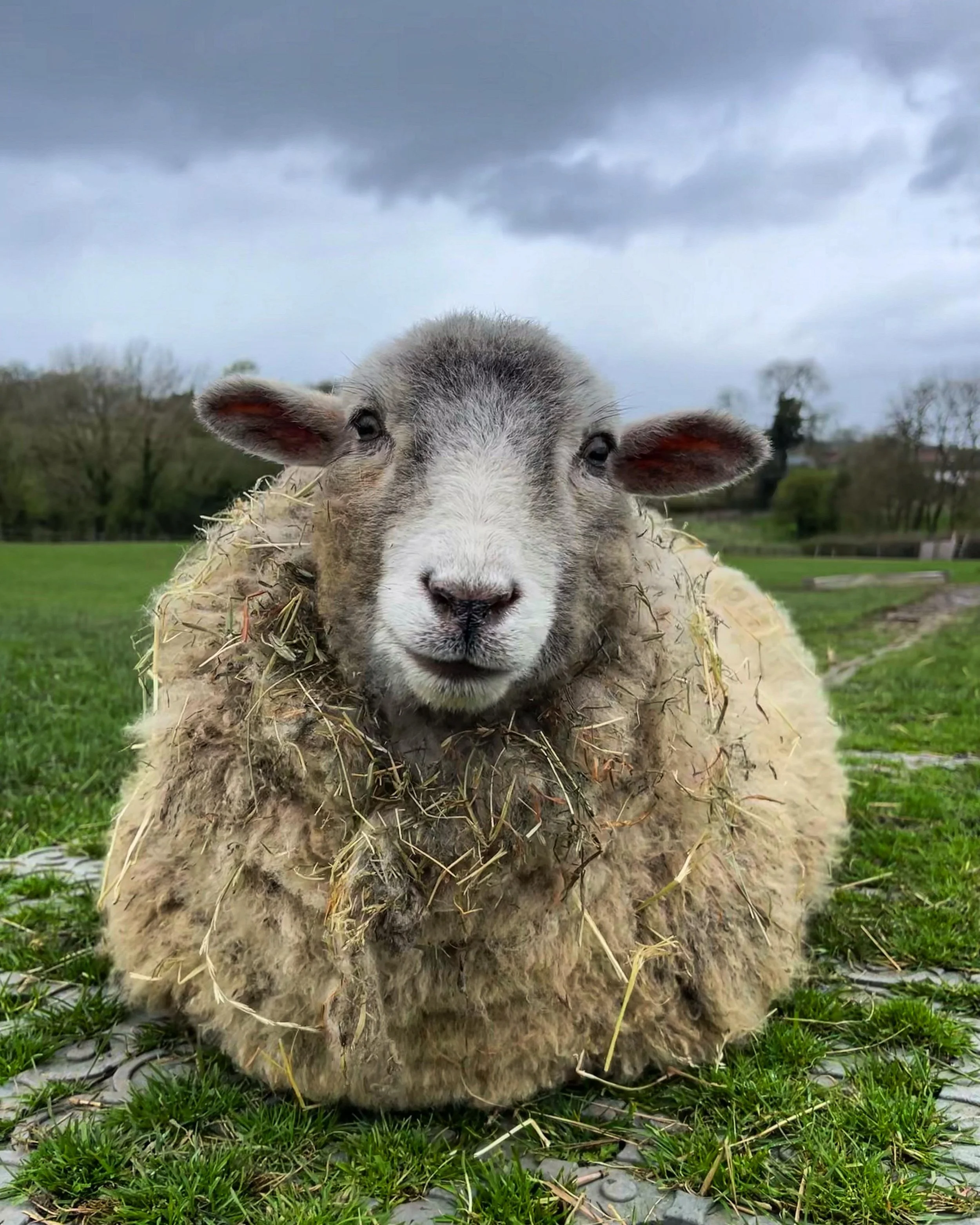
Eric is a perfect example of why this gentle approach matters. Eric is a mule sheep, bred to be large so that his body would fetch more money in the meat industry. Because of this selective breeding, he grows a very thick layer of wool each year. If he wasn’t shorn, the weight of the fleece would put additional strain on his arthritic legs and make it difficult for him to cope in the summer heat. Eric is now eight years old, and we take extra care to ensure the process is as stress‑free as possible for him. After shearing, he often becomes shy for a few days, as though he feels a little “naked” without his wool, so he gets plenty of reassurance and quiet time with his friends.
Here’s some before and after pictures of Eric’s shearing day - what a difference!
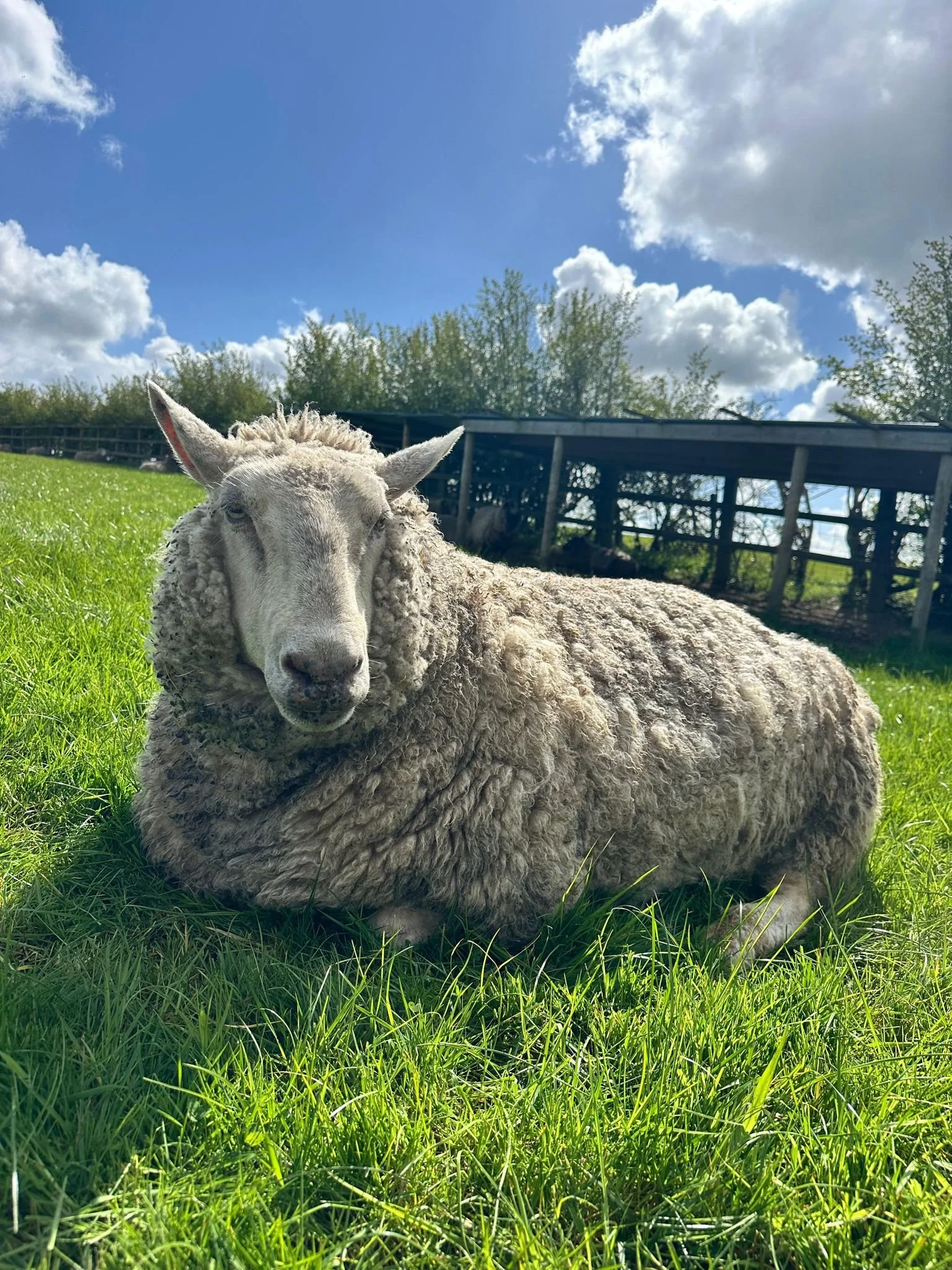
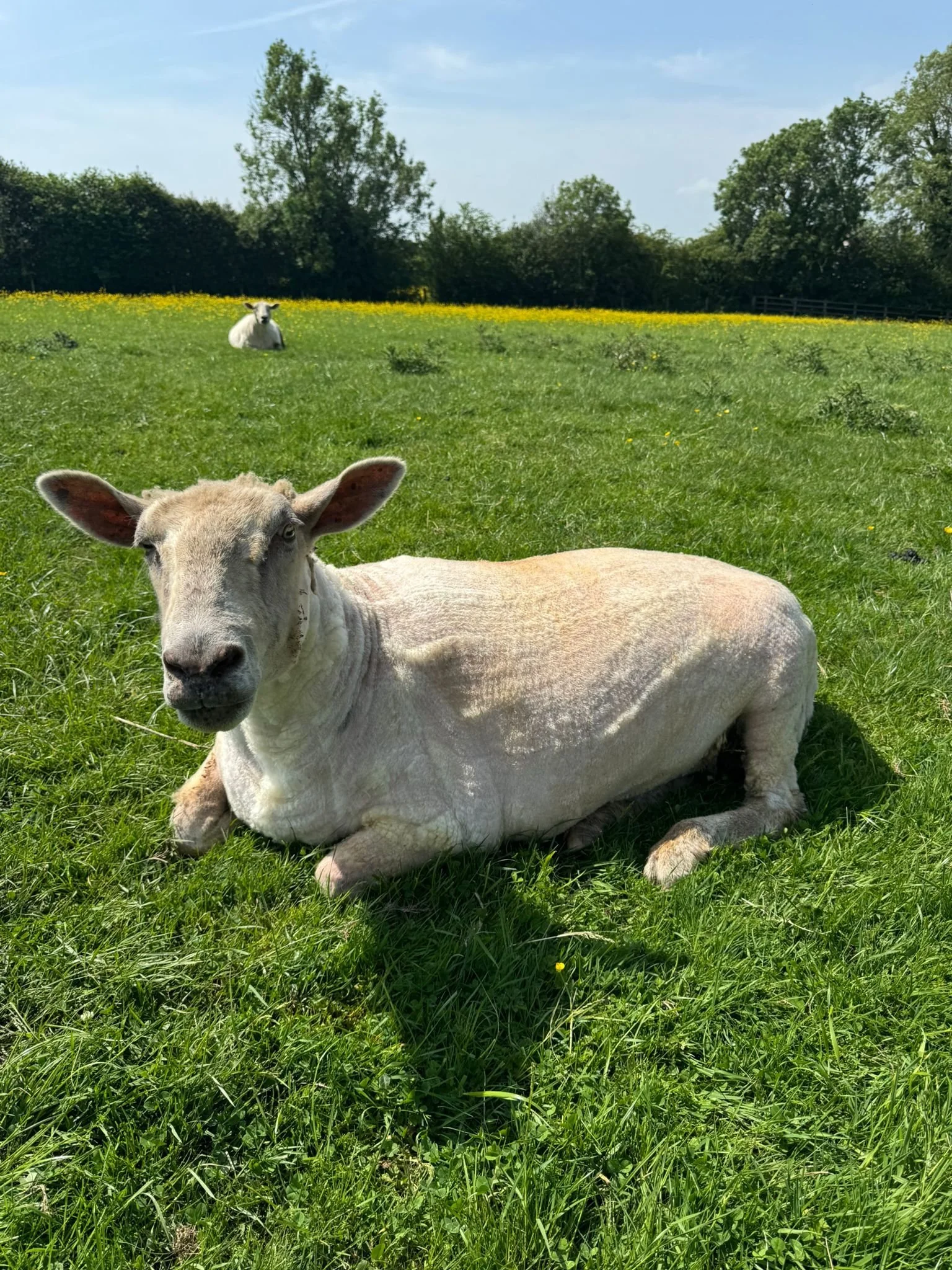
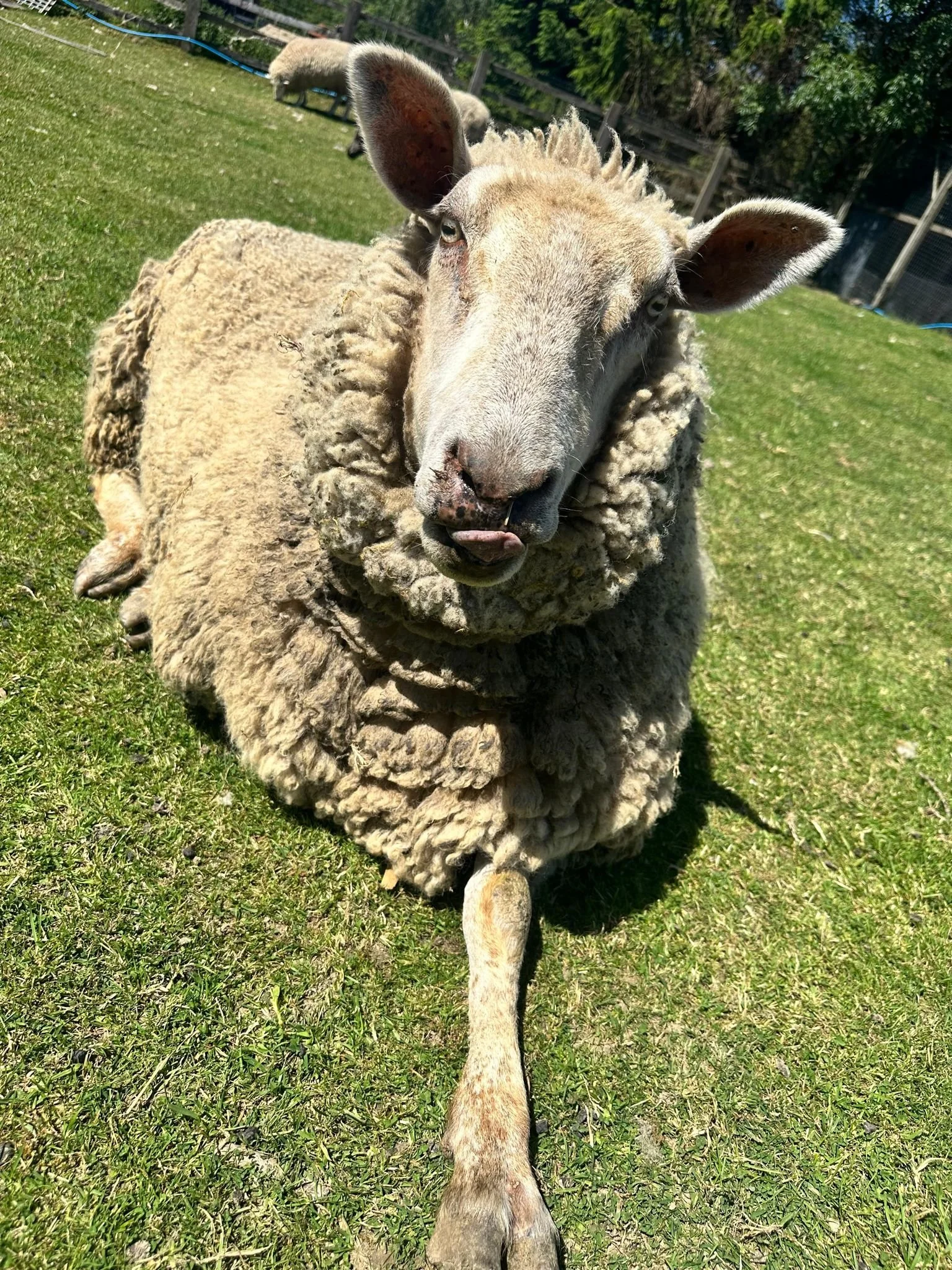
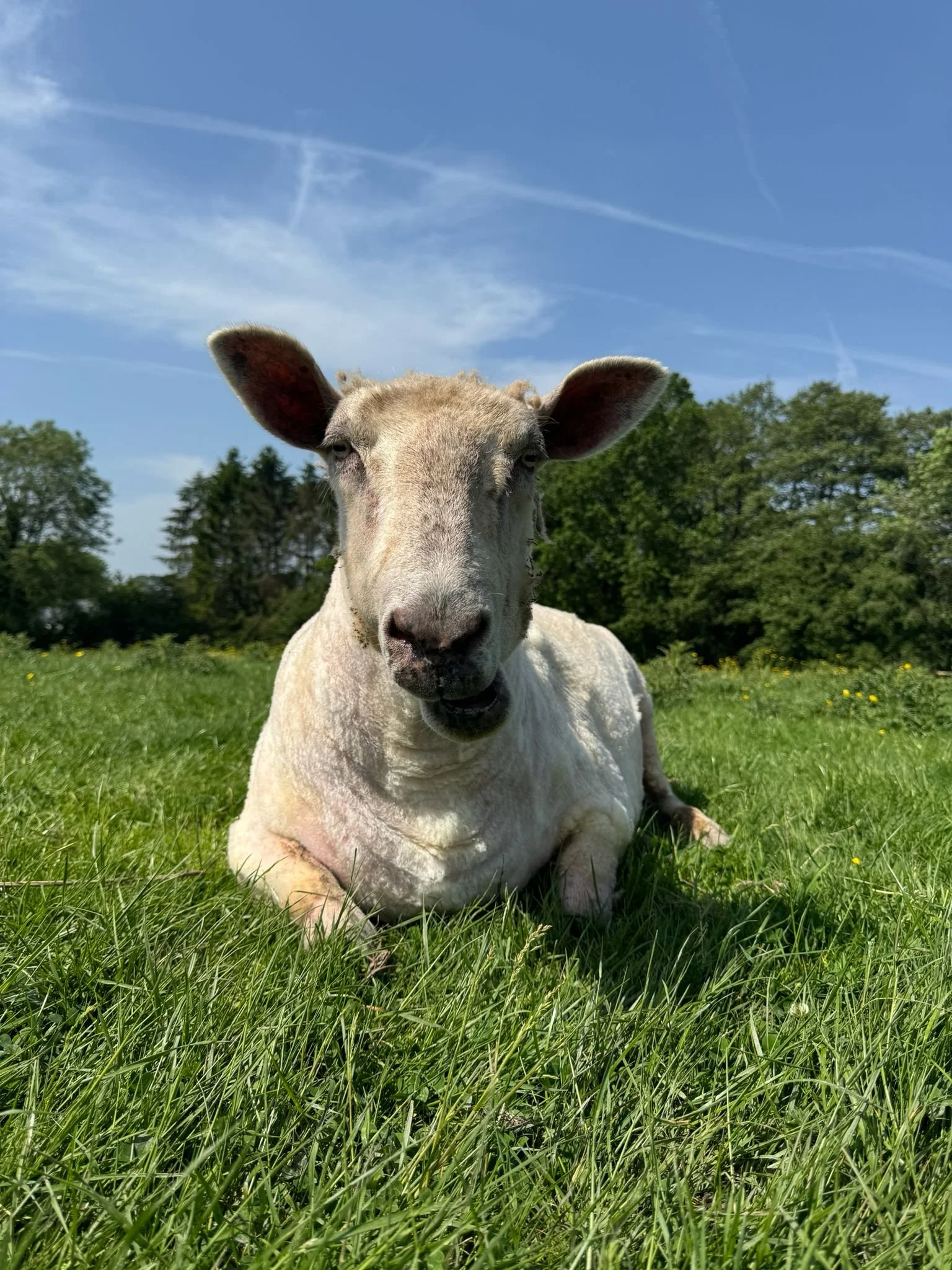
Shearing at a sanctuary is never rushed. There is no pressure to get through a certain number of sheep, no financial incentive to work quickly, and no expectation that the animals should tolerate rough handling. The focus is entirely on their wellbeing, comfort and safety.
If you’d like to support Eric directly, we offer an Eric e‑sponsor pack that helps fund his ongoing care. We also have a beautiful Eric art print created by artist Rebecca Bush, celebrating him in all his gentle, woolly glory.
Do humans really need wool?
There are now many warm, sustainable and cruelty‑free alternatives to wool, including hemp, bamboo, organic cotton, tencel, recycled fibres and soybean‑based fabrics. Warmth does not need to come at the expense of an animal’s wellbeing.
Vegan‑Friendly Shops for Wool‑Free Clothing
For anyone looking to avoid wool entirely, there are plenty of ethical and vegan‑friendly shops offering warm, high‑quality alternatives made from plant‑based or recycled fibres. Some reliable options include:
Will’s Vegan Store – UK‑based, fully vegan, offering knitwear made from recycled and plant‑based materials.
Bare Kind – ethical, animal‑themed socks (including our Surge Sanctuary turkey socks!) made from bamboo, a soft and sustainable wool‑free fibre.
Komodo – long‑established ethical brand using sustainable, non‑animal fibres.
Vegan Outfitters – not knitwear‑focused, but a popular vegan brand with warm, wool‑free hoodies and jumpers.
These brands show that warmth, comfort and sustainability can go hand‑in‑hand without relying on animal products.
Sanctuaries shear because the sheep need it, not because we want something from them. The wool is not a product. The sheep are not commodities. Their value does not depend on what they produce.
By choosing not to use or sell wool, vegan sanctuaries send a clear message: animals are individuals, not resources.